
5 Mistakes We Made in Our First Year as a Feminist Grassroots Organization in Kenya
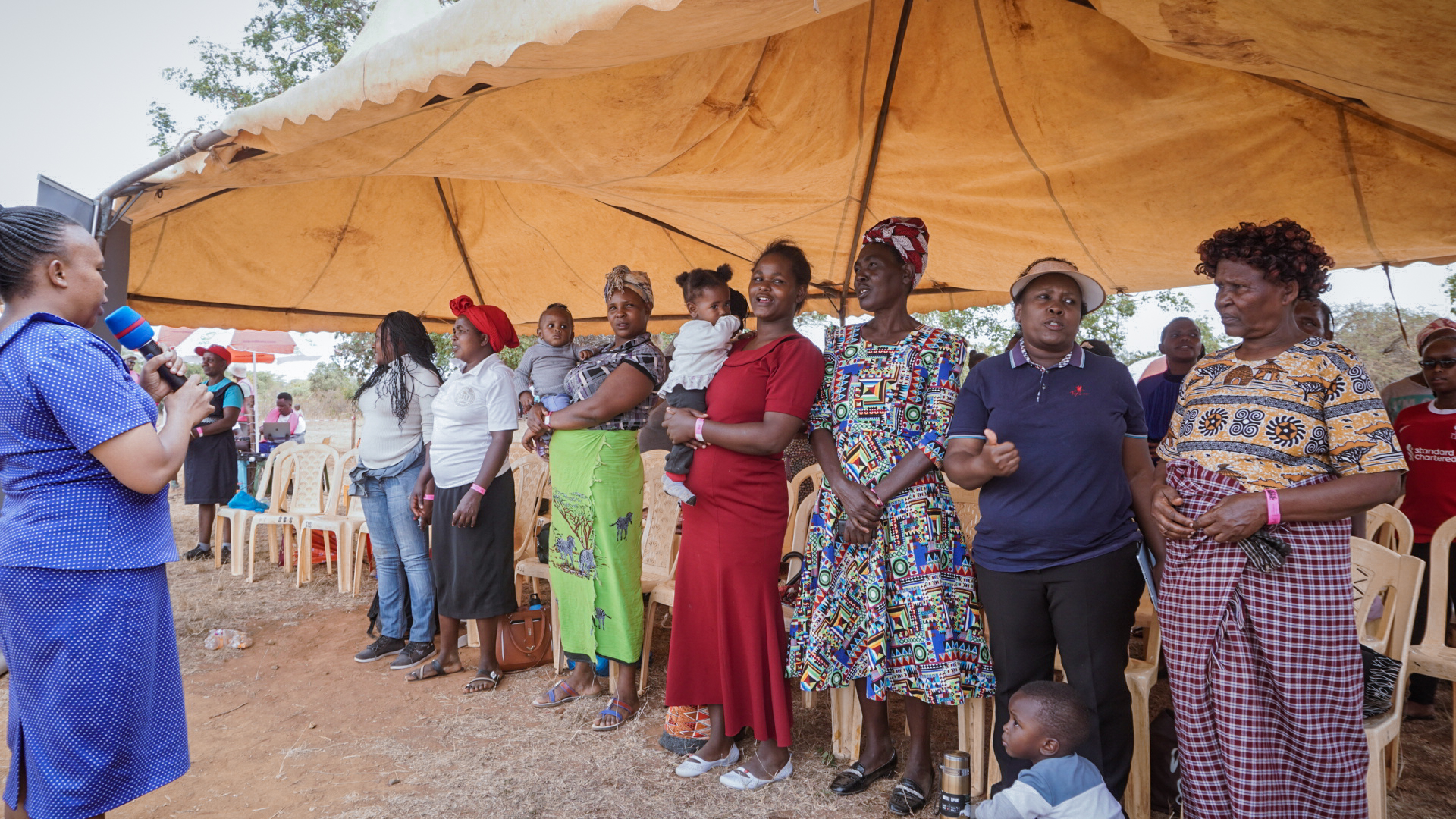
AkaMusyi is a women-led, community-based organization in Kenya.
We started in 2024 with the purpose and conviction that women living in rural areas deserve a space where they exist first for themselves, as opposed to extensions of everyone they serve. One year in, we have 150+ members, programs in chicken rearing, computer skills, crocheting, financial literacy, sanitary product access, as well as a few lessons we paid for the hard way. Most organizations only show you the polished version. We’re showing you what it really is like. If you’re a donor or CSR partner deciding whether a small feminist grassroots organization in Kenya is worth your trust, this is the information you actually need. And if you’re starting your own organization: learn from us for free. We paid the price so you don’t have to.
Mistake 1: We Tried to Solve Everything, Everywhere, All at Once
Every problem that affects women feels like our problem, because in a real sense, it is. School fees. Food. Skills. Health. Loneliness. We said yes to all of it, at the same time. The result? We were everywhere and deep nowhere. (Jackie of all trades, master of none). Members got a taste of five programs instead of real progress in one. Our energy and our small budget spread so thin that nothing got the follow-through it deserved.
What changed: We narrowed to 3 core thematic areas: Economic Empowerment, Access to Knowledge, and mindfulness of keeping Climate Justice as an anchor. Everything else went on a “not yet” list. You can see our current focus on our programs page.
An organization that can say no is an organization that can deliver on yes. (Corny, but true  )
Mistake 2: We Had Passion Instead of Goals
“We want to solve problems” was our mentality, and it still is what we do. The downside is, “solving problems” in itself is not a plan. Without specific goals, we couldn’t measure impact, and if you can’t measure it, you can’t report it, improve it, or fund it.
When someone asked us, “How many women, doing what, by when?” We had stories, we had some estimates, and in some cases we had a few numbers. The issue with this is that stories move hearts, but numbers move budgets. Budgets are the heart of “solving problems,” and a serious grassroots organization needs both.
What changed: Each program now has a defined outcome. We track members, beneficiaries, and progress deliberately, so a story like Faith Mwikali’s– who learned chicken rearing, computer skills, and crocheting through AkaMusyi and now earns income to feed her family comes with the data behind it.
Mistake 3: We Had No Boundaries, and Burnout Is Real
Believe it or not, self-care is critical in this line of work. When your organization is your community, your neighbours, your family, every knock on the door is urgent, and every “no” feels like a betrayal. We answered calls at midnight. We covered gaps from our own pockets. We carried other people’s crises home. Within months, the same women trying to build a space of rest for others had none of their own.
Here’s the feminist irony: we were becoming an organization built on women’s exhaustion and repeating the exact pattern we exist to break. Women being endlessly available, endlessly serving, never resourced. That was immediately a problem, and could not continue to be the model of work we used.
What changed: Working hours. A process for emergencies instead of a personal phone number. Shared responsibility instead of one or two people carrying everything. Rest, scheduled like any other program activity.
Mistake 4: We Wanted Everyone to Believe in Our Dream
Early on, we spent enormous energy convincing people who were never going to align with our mission. We were chasing every skeptic, adjusting our story for every audience, hoping approval would arrive if we just explained ourselves one more time. Bad news: it won’t. A feminist organization in a rural community will always have people who don’t get it. Every hour spent converting the unconvinced was an hour taken from the women already showing up.
What changed: We now build with believers. Our events bring together people who want to learn, celebrate, fundraise, and act, and our honorary membership gives supporters near and far a direct way to fund the work. “Build it, and they will come.”
Mistake 5: No Systems, Poor Record-Keeping
We stored memberships in notebooks. We stored event attendance in someone’s head. Contributions came across M-Pesa, paybill, and mobile money, with poor record-keeping not tying any shilling to its purpose. We ran on trust, which works beautifully among neighbours and terribly in an audit.
The cost was repeated work, lost histories, and an inability to answer the one question every serious donor asks: where exactly did the money go?
What changed: This became our biggest year-two investment. We are building proper records for members, beneficiaries, events, and funds, so that a specific contribution can be traced to a specific outcome, like [a member’s driving course or training fees]. Donor accountability is respect for the people who trust us with resources in both directions.
What We’d Tell a New Grassroots Organization
-
- Pick two programs. Master them. Expand later.
-
- Set goals you can count.
-
- Build systems before you scale. Even a simple register beats a good memory.
-
- Protect your people. Burnout is not a badge of honour.
-
- Find your believers and stop auditioning for your critics.
Conclusion
Feminist grassroots work is iterative by design. We will make new mistakes in year two, and we’ll tell you about those too, because transparency isn’t a marketing strategy for us; it’s how a community holds itself.
What we won’t do is repeat these five. The women of Kenya deserve an organization that learns as fiercely as it loves. That’s what we’re building.
Come build it with us.